
How Interactive Trading Experiences Are Replacing Traditional Financial Learning
Last updated: June 12, 2026
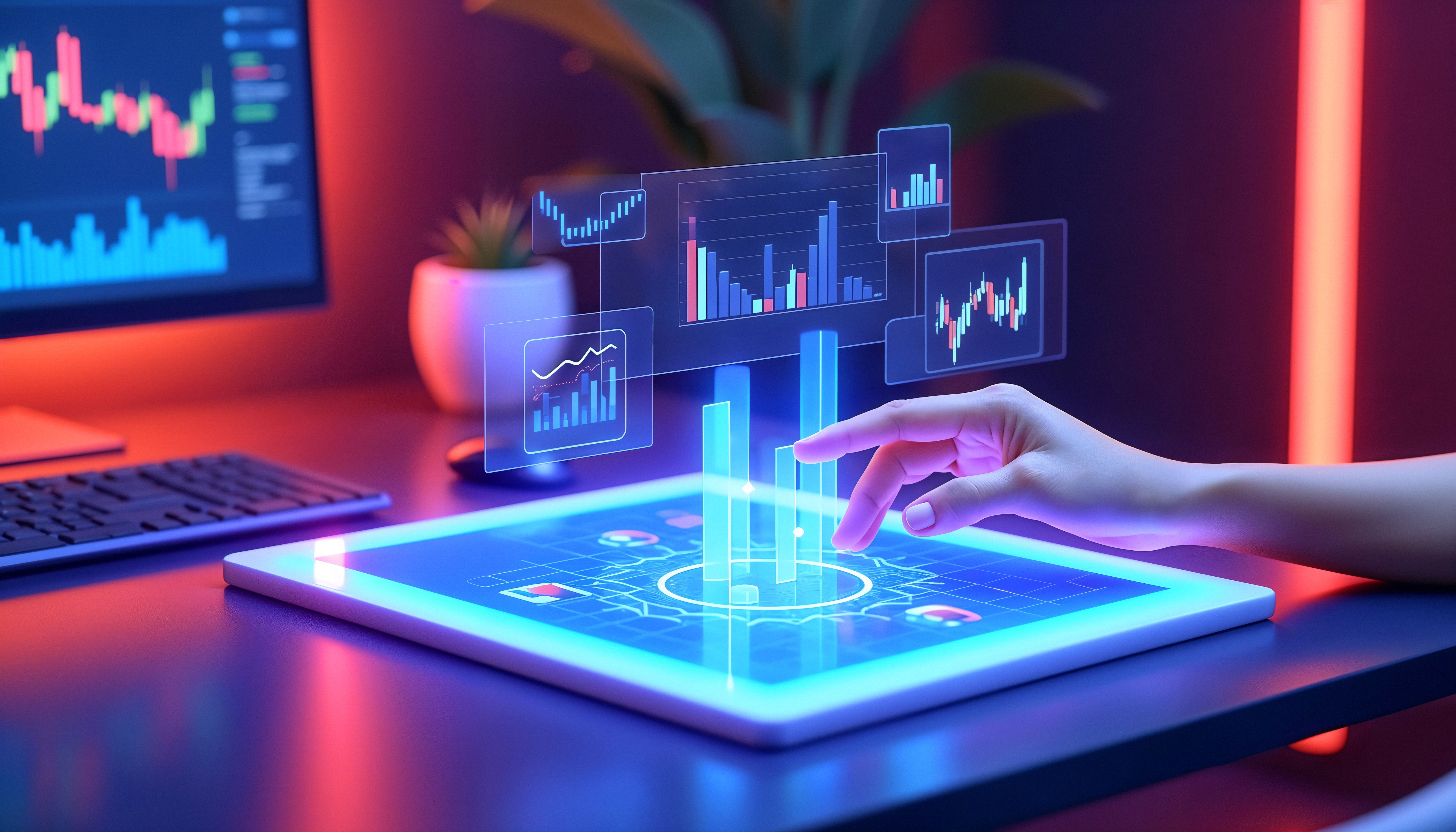
Table of Contents
The Evolution of Financial Learning
Financial learning has changed significantly over the last decade. Traditional education methods once focused heavily on theory, recorded content, and static learning resources.
Today, retail traders expect more practical learning environments where they can interact, observe markets in real time, and gain direct exposure to market behavior.
Interactive trading experiences are becoming increasingly popular because they combine market education, technology, networking, and practical learning into a single environment.
This shift is creating a new standard for trading education in 2026.
Why Traditional Financial Learning Is Losing Attention
Traditional financial learning methods often provide information without practical exposure.
Many traders struggle with:
- Applying theory in real markets
- Understanding changing market conditions
- Building confidence
- Managing emotions
- Making independent decisions
As financial markets become more dynamic, traders increasingly prefer educational experiences that involve interaction and real-time participation.
Modern traders want to experience market behavior rather than simply read about it.
What Makes Interactive Trading Experiences Different
Interactive trading experiences combine education with practical market exposure.
Instead of consuming information passively, traders participate through:
- Live market analysis
- Trading workshops
- Market discussions
- Trading simulations
- Community learning
- Expert interaction
This creates a stronger connection between knowledge and practical application.
Interactive learning also improves retention and helps traders develop stronger analytical thinking.
Live Market Analysis Is Becoming a Powerful Learning Tool
One of the biggest advantages of interactive learning is live market analysis.
Traders gain opportunities to:
- Observe price action
- Understand market sentiment
- Learn technical analysis
- Watch professional decision-making
- Improve market awareness
Real-time learning environments allow traders to understand how markets react to economic events and changing conditions.
This practical exposure accelerates learning compared to traditional educational approaches.
AI Trading and Technology Are Reshaping Education
Technology has become one of the biggest drivers behind interactive trading experiences.
Modern trading education increasingly includes:
- AI trading tools
- Automated market analysis
- Smart analytics
- Trading dashboards
- Data-driven decision-making
Artificial intelligence helps traders process information more efficiently and identify opportunities faster.
As AI adoption grows, traders are increasingly combining education with advanced trading technology.
Community Learning Is Becoming More Valuable
Trading communities are becoming one of the strongest forms of financial education.
Retail traders increasingly learn through:
- Shared market experiences
- Group discussions
- Trading communities
- Social trading
- Educational events
Learning with others helps traders gain different perspectives and improve confidence.
Communities also create accountability and encourage long-term learning.
Why Trading Events Are Accelerating Learning
Trading events and fintech conferences are becoming practical education hubs.
These experiences allow traders to:
- Attend live sessions
- Connect with experts
- Explore trading technology
- Learn from market professionals
- Participate in discussions
Events provide direct exposure to how professionals think and operate.
This makes education more practical and immediately useful.
Interactive Learning Supports Better Trading Decisions
Interactive learning helps traders move beyond memorization and develop better judgment.
Practical experiences improve:
- Market understanding
- Decision-making
- Risk awareness
- Emotional discipline
- Long-term consistency
The ability to apply knowledge immediately often creates stronger results than passive learning methods.
This is becoming one of the biggest reasons why interactive trading experiences continue growing.
The Future of Financial Learning
The future of financial learning will become more immersive, collaborative, and technology-driven.
Future trends include:
- AI-powered education
- Virtual trading experiences
- Community learning
- Personalized education
- Interactive workshops
Retail traders are expected to continue shifting toward learning environments that combine technology and practical exposure.
Financial education is becoming an experience rather than a process.
Conclusion
Interactive trading experiences are transforming how retail traders learn in 2026.
Instead of relying only on traditional education methods, traders are increasingly choosing live market analysis, AI-powered tools, trading communities, and practical learning environments.
As financial markets continue to evolve, interactive education is becoming one of the most effective ways for traders to improve market understanding and make smarter decisions.
For traders seeking practical growth, interactive learning may become the future of trading education.
Relevant blogs
How Interactive Trading Experiences Are Replacing Traditional Financial Learning
12/06/2026
The Shift From Trading Signals to Smarter Market Decisions
05/06/2026
The Rise of Social Trading: Why Retail Traders Are Following Communities Over Predictions
02/06/2026
How AI Trading Tools Are Changing the Way Retail Traders Analyze Markets
29/05/2026

